Portfolio for Non-Tech Freshers If you’re a marketing, HR, or finance fresher, you’ve probably noticed that “portfolio” gets thrown around as if it’s only relevant to designers and software developers — people with a visual product or a codebase to point to. It isn’t. Recruiters increasingly want to see proof of thinking and execution from non-technical candidates too, not just a resume listing your degree and coursework. The problem most freshers immediately run into is genuine and frustrating: a portfolio needs real projects to show, and getting real projects has traditionally required a job you don’t have yet.
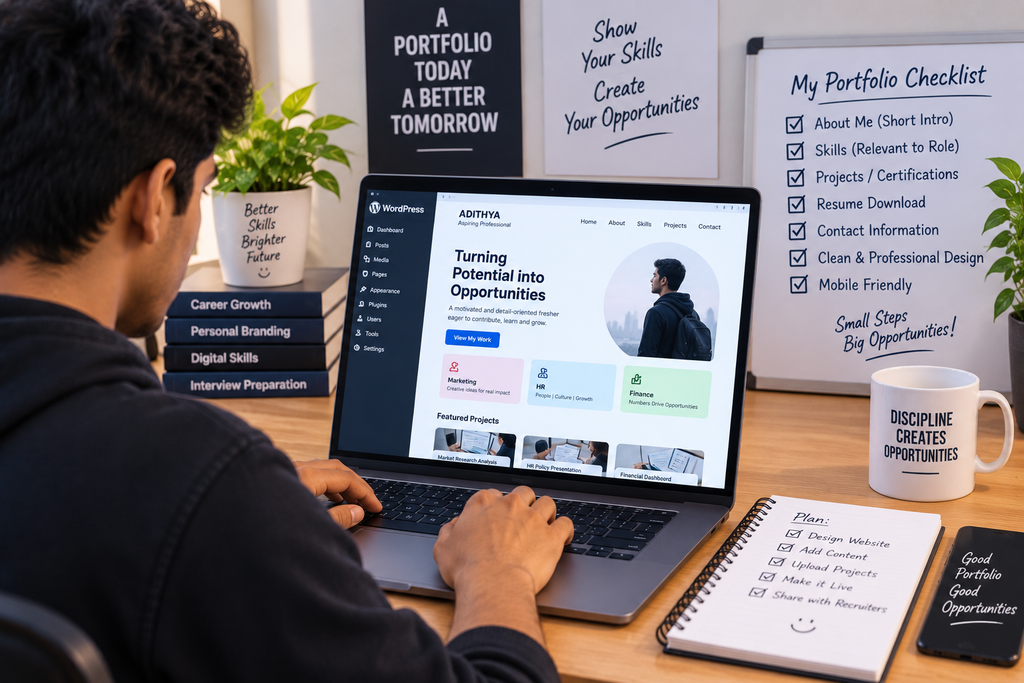
This chicken-and-egg problem has a genuine, well-established solution, and it doesn’t require you to already be employed. This guide covers how non-tech freshers in marketing, HR, and finance specifically can build a credible portfolio from zero formal work experience, using self-initiated projects and a specific technique — social proof through testimonials — that’s proven to work even when you have no paid work history to draw on.
Why a Portfolio Matters Even for Non-Creative Fields
A resume is a list of claims — degrees, coursework, skills you say you have. A portfolio is proof. It shows your actual thinking process, how you approached a real problem, and what came out of it, Portfolio for Non-Tech Freshers all in one place a recruiter can actually open and evaluate directly, rather than taking your word for it. Given how many freshers apply for the same entry-level positions — often described as thousands of applicants competing for a single opening in fields like digital marketing specifically — collecting the same certificates everyone else has (Google, HubSpot, Meta Blueprint) no longer meaningfully differentiates you, since nearly every competing applicant has done the same. A portfolio showing genuine, self-initiated work with real, even if modest, results is a considerably rarer and more differentiating signal.
The Core Solution: Self-Initiated Projects
Since you can’t point to formal work experience yet, the practical substitute is work you create the opportunity for yourself, rather than waiting for someone to hire you first. This isn’t a lesser or fake substitute for real experience — done genuinely, it demonstrates something arguably more valuable to an employer than a routine task assigned by a manager: initiative, and the ability to identify and execute on an opportunity without being told to.
What This Actually Looks Like for Marketing Freshers
Concrete, achievable self-initiated projects for a marketing portfolio include: offering free social media management or content strategy to a local business (a neighborhood shop, a small restaurant, a family friend’s side business) for a defined period, running and documenting a small paid ad campaign with your own limited budget to demonstrate genuine understanding of ad platforms, building and growing a niche content account (Instagram, LinkedIn, or a blog) around a topic you genuinely know well, or conducting and publishing a small, original piece of market research or a case study analyzing a brand’s existing marketing strategy with your own critical analysis. The specific numbers matter here — “helped a local business grow” is vague; “grew a local bakery’s Instagram following from 200 to 1,400 over three months through a content calendar I designed and managed” is the kind of specific, verifiable claim that actually differentiates a portfolio entry.
What This Actually Looks Like for HR Freshers
HR is a field where “portfolio” is discussed far less often than in marketing or design, but the same underlying principle applies. Concrete options include designing a sample employee onboarding process or handbook for a hypothetical or real small organization, conducting original research on a specific HR topic (remote work policy design, diversity hiring practices, employee engagement strategies) and presenting your findings and recommendations clearly, volunteering to help a student organization, college club, or small local NGO with a real recruitment or people-management challenge they’re facing, or building a detailed case study analyzing how a well-known company handles a specific HR practice, with your own independent analysis of what works and what you’d change. Since HR work often centers on documents, frameworks, and structured thinking rather than a visual product, your portfolio can reasonably take the form of a clean, well-organized collection of these written artifacts rather than a highly visual showcase.
What This Actually Looks Like for Finance Freshers
Finance freshers can build genuinely credible portfolio material through independent equity research reports analyzing a specific company or sector using real, publicly available financial data, a personal investment thesis or portfolio tracking exercise (even with a small or simulated amount of capital) documented over time with your reasoning explained, a detailed financial model built for a company of your choosing, demonstrating genuine technical proficiency in tools like Excel or basic financial modeling software, or a comparative analysis of two competing companies within the same sector, working through their financial statements and drawing your own independent conclusions. Given how technical and credibility-dependent finance work is, precision and demonstrated rigor matter more here than visual presentation — a well-reasoned, clearly documented financial model carries more weight than a beautifully designed but analytically thin one.
The Testimonial Technique: Building Social Proof With No Paid History
This is arguably the single most useful, underused technique available to a fresher building a portfolio from nothing: social proof from informal work carries genuine weight, even without a formal employment relationship behind it. A specific, quoted testimonial — something like “they helped us grow our social following from 1,000 to 18,000 in three months and our leads doubled” — is considerably more persuasive to a reader than any certification alone, since it’s external validation rather than self-description.
Even as a fresher with zero formal work history, this is genuinely achievable: if you did free work for a local business as one of your self-initiated projects, ask them directly for a short written or even video testimonial afterward. If you helped a friend or family member with something related to your field — their small business’s social media, a friend’s resume, a relative’s basic bookkeeping — ask for a brief, specific quote about what you actually helped with. If a professor, mentor, or club advisor has specifically praised work you did in an academic or extracurricular context, a short LinkedIn recommendation from them serves a very similar purpose. The common thread across all of these: any external validation, however small in formal scale, builds trust with a reader faster than self-promotion alone ever can.
Choosing the Right Portfolio Format for Your Field
Unlike a designer’s highly visual portfolio, non-tech portfolios — particularly for finance, consulting, and similarly formal, credibility-driven fields — generally work better with a simple, clean, professional format rather than an elaborate creative design. A straightforward website or even a well-organized document (a Canva or Google Slides-based deck, or a simple personal website) with clear sections, soft colors, good typography, and easy navigation communicates professionalism appropriately for these fields, without the design distracting from the actual substance of your work. Marketing freshers have somewhat more latitude to let personality and creative presentation show through, given that visual and brand sensibility is itself a relevant skill being implicitly demonstrated — but even here, clarity and genuine substance should take priority over decorative flourish.
A Practical Structure for Any Non-Tech Portfolio
Regardless of your specific field, a workable structure includes: a brief, confident introduction stating clearly who you are and the specific role or field you’re targeting, a skills section highlighting your genuinely relevant capabilities, two to four well-documented projects (self-initiated or academic) presented with clear context — what the challenge was, what you did, and what the measurable or observable outcome was — any testimonials or social proof you’ve gathered, and a clear, easy-to-find contact section. Keep the total project count modest and well-explained rather than padding the portfolio with many thin, under-described entries; two or three genuinely strong, specific projects consistently outperform six vague ones.
How to Reference Your Portfolio on Your Resume and LinkedIn
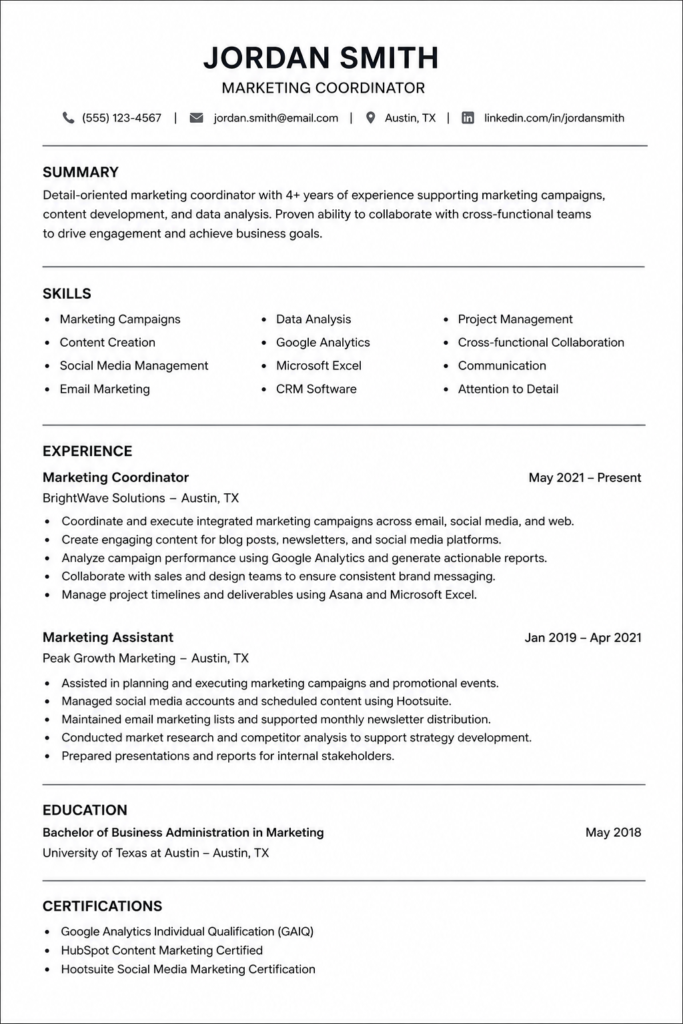
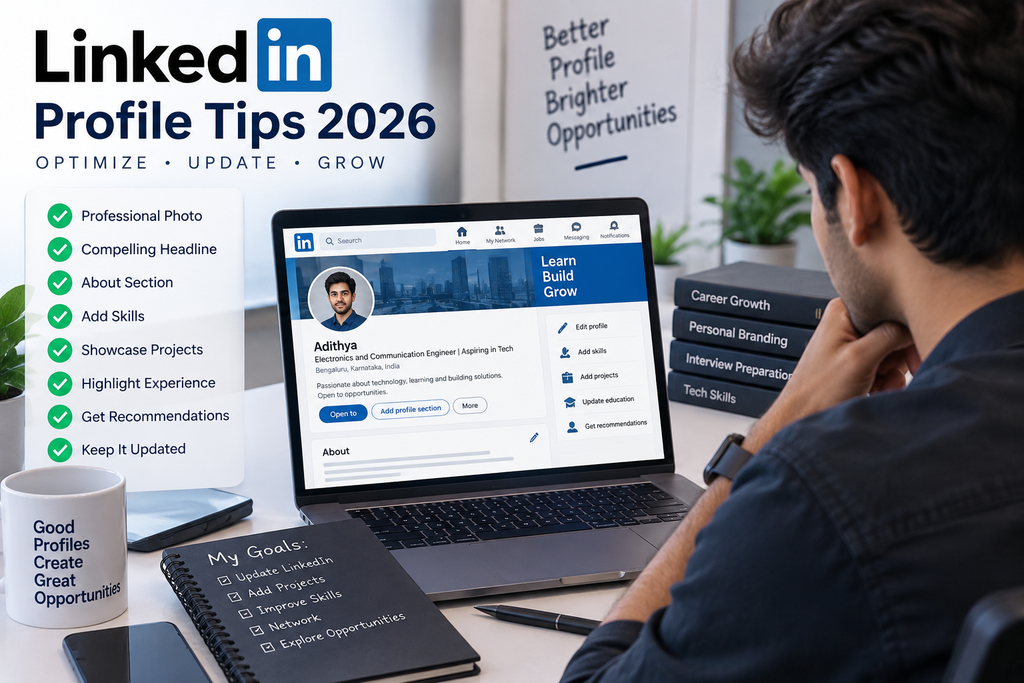
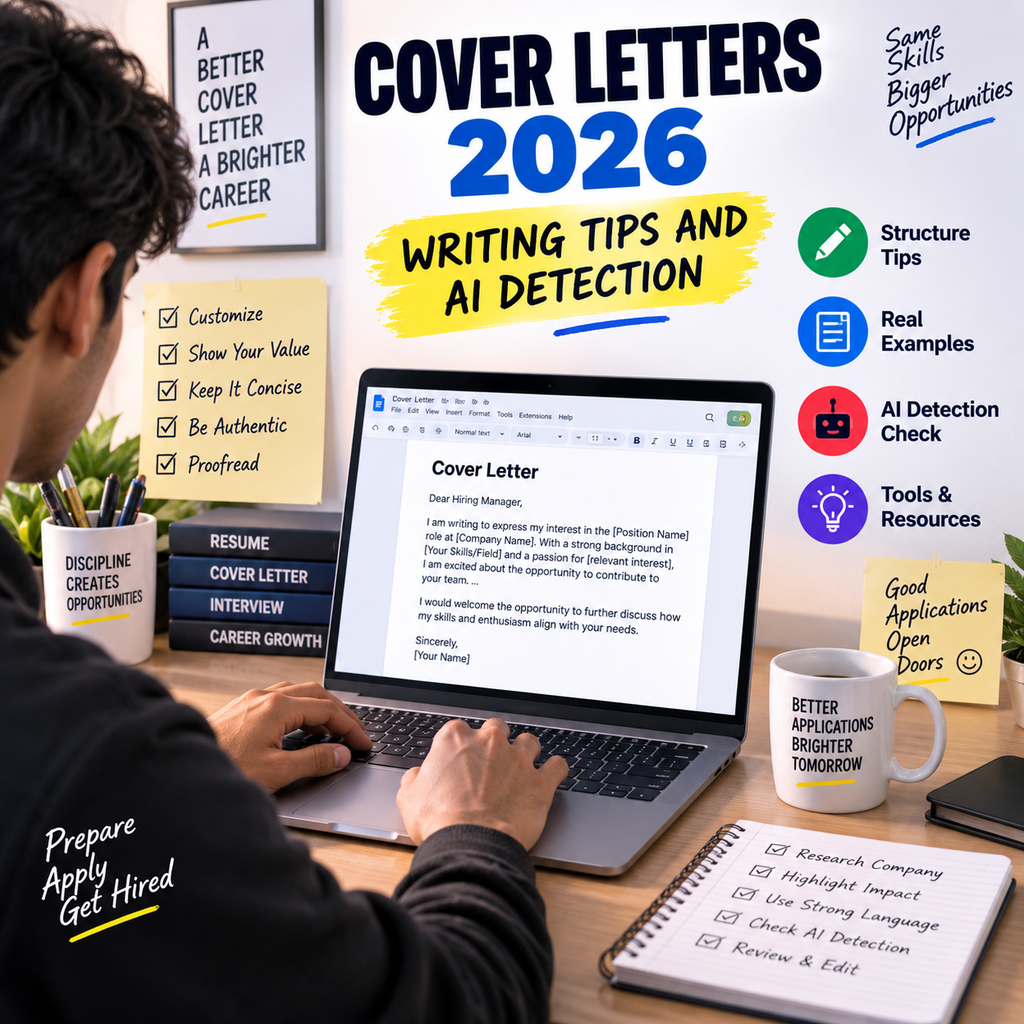
Once built, your portfolio should be actively referenced, not left as a passive link buried somewhere a reader might never find. Include the portfolio link directly and prominently in your resume header alongside your contact details, mention it explicitly in your LinkedIn About section (a topic covered in more depth in this site’s LinkedIn profile guide), and consider referencing a specific project directly in your cover letter or application message when it’s genuinely relevant to the role you’re applying for — rather than assuming a reader will independently discover and explore your portfolio unprompted just because the link exists somewhere on your resume.
Keeping It Current
A portfolio is not a one-time project — treat it as something you update as your skills and experience genuinely grow, adding new projects, removing weaker early ones once you have stronger replacements, and refreshing outdated claims or outcomes as your work continues to develop. A portfolio that clearly hasn’t been touched since you first built it, even if the original content was strong, can read as stale to a recruiter checking a link during an active hiring process months or years after you first created it.
What to Avoid
A few genuine pitfalls worth watching for specifically: don’t pad your portfolio with vague, unquantified claims (“helped with marketing,” “assisted HR team”) that don’t actually demonstrate anything specific — every project entry should answer clearly what you did, and what the concrete, ideally measurable, result was. Don’t neglect the portfolio site or document’s own presentation quality, particularly in marketing, where your own portfolio effectively functions as a live demonstration of your design and communication sensibility — a marketing portfolio that’s slow, cluttered, or poorly organized undermines your own claimed expertise in exactly the area you’re trying to showcase. And don’t fabricate results or misrepresent informal help as a formal client relationship — the same honesty principles that apply to your resume generally apply here, and a portfolio’s credibility depends entirely on the reader trusting that what’s shown genuinely happened as described.
What If Your Self-Initiated Project Genuinely Fails?
It’s worth addressing this directly, since fear of a project not working out stops some freshers from starting at all. Not every self-initiated project produces the clean, impressive result you might hope for going in — a social media campaign might not grow followers as much as planned, a financial model might reveal an analysis approach that didn’t hold up under scrutiny, an HR research project might surface findings less conclusive than expected. This is genuinely fine, and arguably still portfolio-worthy, provided you present it honestly. A project write-up that clearly explains what you attempted, what actually happened, and what you learned or would do differently demonstrates real analytical maturity — a quality many employers specifically value in a fresher, since it signals you can learn from a result rather than only ever showcasing curated successes. The instinct to only ever show polished wins is understandable, but a portfolio consisting entirely of frictionless successes can read as less credible, not more, particularly to an experienced interviewer who knows that real work rarely goes perfectly the first time.
Presenting Your Portfolio Confidently in an Interview
Building the portfolio is only half the work — being able to discuss it clearly and confidently in an interview matters just as much as the content itself. Prepare a concise, natural way of introducing each project without reading from a script: what the situation was, what specifically you decided to do and why, and what actually happened as a result, including genuine limitations or things you’d do differently with more experience. Interviewers specifically probing a self-initiated project often ask follow-up questions testing whether you genuinely understand your own work or simply assembled it superficially — being ready to discuss your actual reasoning, not just the polished final output, demonstrates the deeper thinking a portfolio is meant to prove in the first place. If a project didn’t fully succeed by whatever measure you were tracking, resist the instinct to hide this — a thoughtful, honest reflection on what you learned from a partial success often lands better with an interviewer than a suspiciously perfect result with no acknowledged challenges along the way.
Being Genuinely Ethical About Informal Work
Since several of these suggestions involve free or informal work for real businesses or organizations, it’s worth being deliberate about doing this ethically rather than exploitatively. Be upfront with anyone you’re offering free help to that you’re a student or fresher building portfolio experience, rather than implying a level of professional polish you don’t yet have — most small businesses and individuals are genuinely receptive to this framing and appreciate the transparency. Set a clear, agreed time boundary for any free engagement (a defined trial period, like “one month of social media management”) rather than an open-ended commitment that could be taken advantage of indefinitely. And be honest in how you later describe this work in your portfolio — framing informal, unpaid help as if it were a formal paid engagement, or exaggerating the scale of what you actually did, undermines exactly the credibility a portfolio is meant to build.
Why This Matters Even More in India’s Specific Job Market
Given how competitive entry-level hiring has become in India specifically — a pattern covered in more depth in this site’s coverage of India’s graduate unemployment data and the widening gap in campus placement outcomes — a portfolio functions as a genuine differentiator in a market where formal credentials alone increasingly fail to separate one applicant from hundreds of similarly qualified others. Indian employers hiring for marketing, HR, and finance-adjacent roles specifically report being inundated with candidates holding nearly identical certifications and degree backgrounds, which means the specific, demonstrated evidence a portfolio provides carries disproportionate weight precisely because so few competing applicants have taken the initiative to build one at all.
How Long This Realistically Takes to Build
Given everything covered above, it’s worth setting honest expectations about the time investment required to build a genuinely strong portfolio from nothing, rather than assuming it’s a weekend project. A single well-documented self-initiated project — say, managing a local business’s social media for a defined trial period — realistically takes several weeks to produce genuine, measurable results worth showcasing, not counting the additional time needed to write it up clearly and request a testimonial afterward. Building two to three such projects to the standard described throughout this guide is more realistically a project spanning one to two months of consistent effort, particularly if you’re balancing this alongside coursework or an existing internship. Starting this process well before you actually need the portfolio for an active job search — ideally during your final year or even earlier — gives you the runway to build genuinely strong material rather than rushing something thin together under application deadline pressure.
Quick Answers
Do I really need a portfolio if I’m not in a creative field?
Increasingly, yes — recruiters across marketing, HR, and finance specifically value seeing genuine, demonstrated thinking and results, not just a resume listing your qualifications, particularly given how many freshers now hold similar certifications.
How do I build a portfolio with zero formal work experience?
Through self-initiated projects — free or informal work for a local business, friend, or organization, independent research or analysis, or documented personal projects relevant to your target field.
What’s the fastest way to add credibility to a portfolio with no paid work history?
Testimonials — a short, specific quote from anyone you’ve genuinely helped, even informally, provides external validation that’s considerably more persuasive than self-description alone.
Should my portfolio look highly designed and creative, or simple and professional?
It depends on your field — finance, HR, and consulting-adjacent portfolios generally benefit from a clean, simple, professional presentation, while marketing portfolios have more room for creative personality, since design sensibility is itself a relevant demonstrated skill there.
How many projects should I include in my portfolio?
Two to four well-documented, specific projects generally outperform a longer list of thin, vaguely described ones.
Where should I put my portfolio link so recruiters actually see it?
Directly and prominently in your resume header, explicitly mentioned in your LinkedIn About section, and referenced specifically in your cover letter when genuinely relevant to the role.
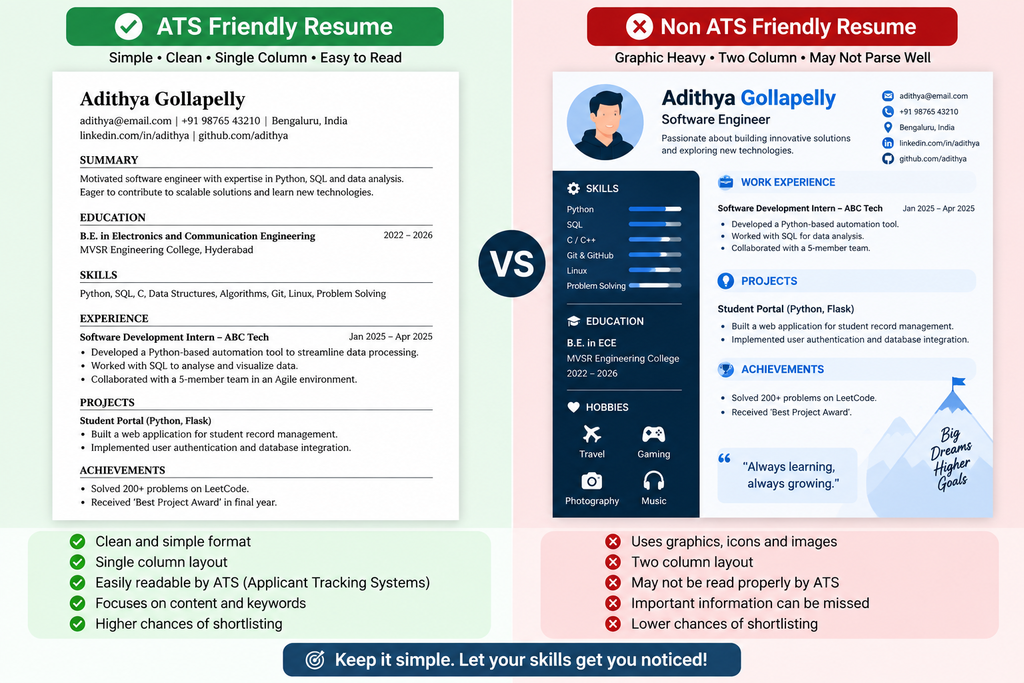
If you’re building your portfolio alongside a broader resume refresh, our guide on Free ATS Resume Builder Tools 2026 covers how to structure the rest of your application materials, and our piece on LinkedIn Profile Tips 2026 is worth reading together with this one, since your portfolio, resume, and LinkedIn profile should all reinforce the same consistent professional story — a strong portfolio project that never gets mentioned anywhere else in your application materials does considerably less work for you than one woven visibly through all three.
Suggested Internal Links
- Resume Tips Category
- LinkedIn Profile Tips 2026: Old Advice Now Hurts You
- Free ATS Resume Builder Tools 2026: 7 Tested
- The 75% ATS Rejection Stat Is Fake: Here’s What’s Real
Suggested External References
- LinkedIn official recommendations feature guidance: https://www.linkedin.com/help
- National Career Service Portal (India): https://www.ncs.gov.in
- TASK Telangana (for structured skilling and project opportunities): https://task.telangana.gov.in